

Top Spring Health Hazards for Pets in Kennesaw
Top Spring Health Hazards for Pets in Kennesaw
Springtime in Kennesaw brings longer days, blooming flowers, and warmer weather that both people and pets love. However, this beautiful season also introduces a range of unique health hazards for dogs and cats living in Kennesaw and surrounding communities. At Express Vets Kennesaw, located at 4200 Wade Green Rd. Suite 100, Kennesaw, GA 30144, we understand how important it is to keep your furry family members safe as they enjoy the outdoors. In this blog, we will explore the most common spring hazards—such as parasites, pollen allergies, and toxic plants—so you can recognize, prevent, and address these risks effectively. You will also find practical advice on when to seek veterinary care and how our veterinary team can help your pet thrive all season long.
Recognizing Spring Health Hazards in Pets
As the weather warms up, pets in the Kennesaw area often spend more time outside, increasing their exposure to seasonal dangers. Recognizing the signs of spring-related health hazards early can make all the difference for your pet’s wellbeing. Symptoms that may indicate a problem include frequent scratching or licking, red or irritated skin, sneezing or watery eyes, sudden changes in energy, vomiting, diarrhea, coughing, or visible ticks and fleas. Additionally, watch for swelling around the face or paws, excessive thirst, or unexplained lethargy, as these can signal exposure to toxins or allergens. If your dog or cat begins showing any of these signs during the spring months, it is essential to monitor their condition closely and consider whether recent outdoor activity or environmental changes could be the cause.
Seasonal Allergies: When Nature Bothers Your Pet
Spring in Kennesaw brings a burst of pollen from trees, grasses, and weeds. Pets, especially those with sensitive skin or immune systems, are just as susceptible to environmental allergies as people. Common signs of allergies in dogs and cats include persistent itching, licking at the paws or belly, red or inflamed ears, and sneezing. Some pets may also develop watery eyes or a runny nose. Unlike humans, pets are more likely to show allergy symptoms through their skin rather than their respiratory tract, so changes in your pet’s coat or skin should not be ignored.
Parasites on the Rise: Fleas, Ticks, and Heartworms
As temperatures rise, so does the risk of parasites. Fleas and ticks become much more active in the spring, hiding in tall grass and wooded areas around Kennesaw. Symptoms of flea or tick infestations include scratching, hair loss, visible insects or bites, and scabs on the skin. Heartworms, transmitted by mosquitoes, may not show symptoms until the disease is advanced, but coughing, fatigue, and difficulty breathing are warning signs. Because many parasites are difficult to spot until infestation is severe, regular preventive care is crucial during spring.
Toxic Plants and Garden Hazards
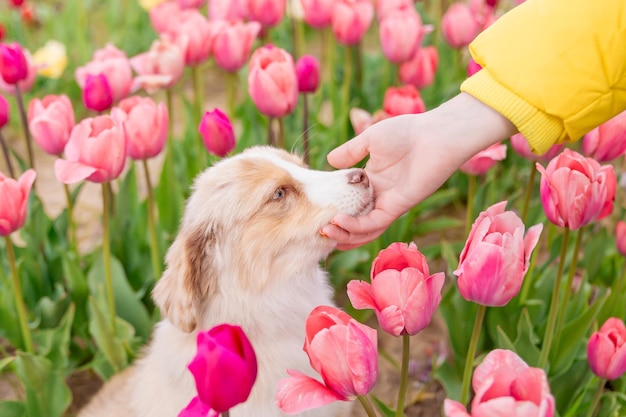
Spring gardening can introduce new threats for curious pets. Many common flowers, such as azaleas, lilies, and tulips, are toxic to cats and dogs if ingested. Signs of plant toxicity include vomiting, diarrhea, drooling, abnormal heart rhythm, or collapse. Fertilizers, pesticides, and mulch can also cause gastrointestinal upset or more severe symptoms if pets ingest or come into contact with them. Be especially cautious if you notice your pet nibbling on plants or digging in freshly treated soil.
What Causes These Hazards in Spring?
Understanding why spring brings these challenges helps you stay proactive in protecting your pets. Warmer, wetter weather in Kennesaw creates the perfect environment for pests like fleas, ticks, and mosquitoes to thrive. These parasites multiply rapidly, meaning even brief outdoor exposure can result in infestations or disease transmission. At the same time, plants bloom and release pollen, dramatically increasing allergens in the air and on the ground. Pets with underlying sensitivities are most affected, but any dog or cat can develop seasonal allergies over time.
The use of lawn chemicals and the growth of new vegetation also contribute to spring hazards. Fertilizers and pesticides are applied more frequently during this season, and pets may come into contact with these substances on walks, in backyards, or even at dog parks. Many pet owners are unaware that some common springtime plants and gardening products are highly toxic to pets until symptoms appear.
Professional Veterinary Care: Diagnosis and Treatment Options
If you suspect your pet is suffering from a spring-related hazard, timely professional care is essential. At Express Vets Kennesaw, our veterinary professionals offer comprehensive diagnostic services that can identify allergies, parasite infestations, or toxin exposure. Allergy testing helps determine whether your pet’s symptoms are caused by environmental factors; you can learn more about our allergy testing services for pets and how they can bring relief.
For parasites, our team conducts thorough exams and may recommend laboratory testing to detect heartworms, intestinal parasites, or tick-borne diseases. Treatment approaches typically involve prescription-strength flea, tick, and heartworm preventives, medicated shampoos for skin issues, and supportive care for any gastrointestinal symptoms. If your pet is experiencing vomiting or diarrhea, our sick visits for ill pets allow for prompt evaluation and treatment.
In cases of plant or chemical toxicity, immediate veterinary intervention is often required. Treatment may include inducing vomiting, administering activated charcoal, intravenous fluids, and specific antidotes when available. Early intervention greatly increases the chances of a positive outcome, so do not wait if you suspect your pet has ingested something harmful.
Springtime Prevention: Keeping Your Pet Safe at Home
Prevention is the best way to protect your pet from spring hazards in Kennesaw. Steps to safeguard your dog or cat include maintaining year-round parasite prevention, such as monthly flea, tick, and heartworm medications. Regularly check your pet’s fur and skin after outdoor play, especially if you have visited wooded or grassy areas. Keeping your lawn and gardens free of toxic plants and avoiding the use of dangerous chemicals whenever possible can also make a significant difference.
For pets with a history of allergies, daily paw wiping after walks and more frequent bathing with hypoallergenic shampoos can help reduce allergen exposure. Maintaining a clean indoor environment with regular vacuuming and air filtration can further limit pollen and dust accumulation. Ensuring your pet receives a wellness examination at least once a year allows our veterinarians to catch early signs of health issues and recommend tailored preventive measures.
If you are unsure about which plants or products are safe for your pet, our team is always available to offer guidance. We encourage pet owners to bring in any packaging or plant samples if they are concerned about possible exposure.
When to Seek Veterinary Help
Knowing when to seek veterinary care is vital for your pet’s safety and comfort. Immediate attention is needed if your pet displays symptoms such as severe vomiting, persistent diarrhea, difficulty breathing, swelling of the face or throat, sudden collapse, or signs of severe allergic reaction. For less urgent concerns, such as mild itching, sneezing, or occasional gastrointestinal upset, scheduling a prompt appointment with your veterinarian is still recommended.
At Express Vets Kennesaw, we are dedicated to providing thorough evaluations and compassionate care for pets experiencing springtime health challenges. If you notice subtle changes in your pet’s behavior, appetite, or appearance during the spring months, do not hesitate to consult our primary care veterinary services for expert advice.
Protecting Your Pet This Spring: Take Action with Express Vets Kennesaw
Spring is a wonderful time to enjoy outdoor adventures with your pet in Kennesaw and the surrounding communities, but it is also a season that requires vigilance. By recognizing the signs of seasonal hazards, understanding their causes, and taking proactive steps to prevent problems, you can help your furry companion stay healthy and happy all season long.
If you are searching for a veterinarian near me who understands the unique needs of pets in Kennesaw, look no further than Express Vets Kennesaw. Schedule an appointment for a spring wellness check, discuss parasite prevention, or address any concerns you have about allergies or toxins with our experienced veterinary team. We are here to support you and your pet every step of the way.
To book a visit, call our team at (678) 401-5579 or stop by our convenient location at 4200 Wade Green Rd. Suite 100, Kennesaw, GA 30144. For more information on preventive care and seasonal health tips, explore our range of wellness examinations and allergy testing services for pets. Let us help your pet enjoy a safe and joyful spring.
This blog is intended for educational purposes only and should not be considered a substitute for professional veterinary advice. If you have concerns about your pet’s health or notice any unusual symptoms, please contact your veterinarian promptly.


