

Keeping Cats Cool and Comfortable During Kennesaw’s Hot July
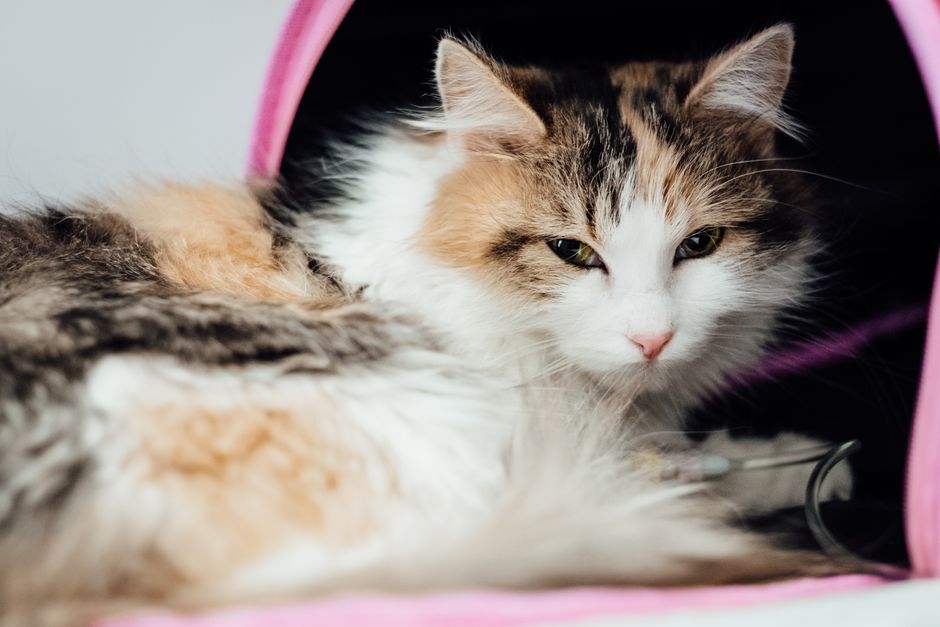
Keeping Cats Cool and Comfortable During Kennesaw’s Hot July
When the summer sun blazes down on Kennesaw, many pet owners worry about how their cats will cope with the heat and humidity. July in Georgia can be especially challenging for our feline friends; high temperatures, muggy air, and intense sunshine put cats at risk for overheating and dehydration. At Express Vets Kennesaw, located at 4200 Wade Green Rd. Suite 100, Kennesaw, GA 30144, we understand the unique challenges that local weather brings. This blog will guide you through recognizing signs of heat stress in cats, understanding why they’re sensitive to heat, ways to keep your cat cool at home, and when to schedule a veterinary visit for summer-related concerns. Our goal is to help you keep your cat safe, happy, and healthy all summer long—whether you live in Kennesaw or one of the surrounding communities.
How to Tell If Your Cat Is Struggling with the Summer Heat
Cats are experts at hiding discomfort, but there are some clear indicators that your companion may be feeling the effects of July’s relentless heat. Key symptoms of heat stress in cats include excessive panting, which is much less common than in dogs, lethargy that makes your cat less interested in play or food, drooling, rapid breathing, and an unsteady gait. Some cats may seek out cool surfaces, such as tile floors or sinks, and spend far more time than usual resting in dark, quiet areas. Warning signs can also include vomiting or diarrhea, which sometimes occur if your cat is overheating or dehydrated. In severe cases, you might see bright red tongue and gums, a racing heartbeat, or collapse. Cats that are overweight, elderly, or have underlying medical conditions may be at even greater risk for heat exhaustion.
If you notice any of these symptoms, it’s important to act quickly. Early recognition makes a significant difference in your cat’s comfort and safety during the hottest part of the year.
Why Kennesaw’s Summer Poses Unique Risks for Cats
Kennesaw’s July weather brings a unique set of challenges for cats. The combination of high temperatures—often reaching the upper 80s or 90s—and persistent humidity means that heat lingers in homes, garages, and outdoor areas. Unlike humans, cats do not sweat over most of their bodies. Instead, they rely on grooming and limited sweating through their paw pads to manage body temperature. Because of this, cats can overheat more quickly than many owners realize.
Certain factors make some cats even more vulnerable. Breeds with long or thick coats may struggle more in the heat, as can cats with flat faces (like Persians and Himalayans), who have more difficulty breathing when air is hot and humid. Indoor cats in homes without strong air conditioning, as well as outdoor or indoor-outdoor cats, are both at risk—especially if they become trapped in garages, sheds, or vehicles, where temperatures can skyrocket within minutes.
Environmental factors such as direct sunlight streaming through windows, lack of shade on patios, or the use of fans instead of air conditioning all contribute to a cat’s risk for overheating in Kennesaw’s summer climate.
Professional Veterinary Support for Cats in the Heat
If your cat shows signs of heat stress or dehydration, professional veterinary care is essential. At Express Vets Kennesaw, our veterinary team provides timely support for cats experiencing heat-related health concerns. During a visit, we will perform a thorough examination, assess your cat’s hydration status, and check for underlying conditions that could make heat management more difficult. Treatment approaches can include intravenous or subcutaneous fluids to rehydrate your cat, cooling measures to gently lower body temperature, and in some cases, medications to address complications such as vomiting or respiratory distress.
Our primary care veterinary services are designed to address both urgent and ongoing health needs. If your cat’s heat-related symptoms are linked to chronic conditions, our team can recommend long-term management strategies. In addition, we offer wellness and preventive examinations to help ensure your cat is healthy enough to face the summer months. Keeping up with routine veterinary visits is one of the best ways to identify risks before they become emergencies.
For cats who develop gastrointestinal upset or other illnesses during the summer, our sick visit services provide diagnostic support and treatment tailored to your cat’s specific needs.
Keeping Your Cat Comfortable at Home During Kennesaw Summers
There are several practical steps you can take at home to help your cat stay cool and hydrated during the hot July weather. First, always provide plenty of fresh, clean water in multiple locations—some cats prefer running water, so a cat fountain can encourage them to drink more. Make sure there are cool, shaded areas in your home where your cat can retreat during the hottest part of the day. Closing curtains or blinds helps block direct sunlight, keeping rooms cooler and more comfortable.
Offering dampened towels or cooling mats in your cat’s favorite resting spots can provide additional relief. Some owners freeze a bottle of water, wrap it in a towel, and place it in an area where their cat likes to nap—giving your feline a cool place to lean against. Grooming also plays a role; brushing your cat regularly helps remove excess fur that can trap heat. For long-haired cats, consider consulting the veterinary team about safe grooming options for summer.
Never leave your cat in a parked car, even for a short time, as temperatures inside vehicles can rise dangerously fast. If your cat spends any time outdoors, ensure there is always access to shade and water, and bring your cat inside during the hottest parts of the day. Monitoring your air conditioning system and using fans safely can help, but remember that fans alone may not cool your cat effectively, as cats do not sweat like people do.
Diet may also play a role in summer comfort. Some cats eat less during hot weather, so offering smaller, more frequent meals can help maintain nutrition. If you have concerns about your cat’s diet or hydration, our team can advise you on specialty diets for optimal pet nutrition and health.
When to Schedule a Veterinary Visit for Summer-Related Concerns
It’s always better to be cautious when it comes to your cat’s health in the summer. You should schedule an appointment with our veterinary professionals if your cat displays symptoms such as persistent panting, drooling, vomiting, diarrhea, lethargy, or loss of appetite that lasts longer than a few hours. Cats with pre-existing conditions like kidney disease, heart disease, or respiratory issues may need more frequent checkups during hot weather. If your cat collapses, seems disoriented, or shows signs of severe distress, seek veterinary care immediately.
Regular wellness checks are a proactive way to identify issues early and discuss your cat’s specific risks for heat-related problems. Our wellness and preventive examinations cover hydration assessment, weight management, and recommendations for keeping your cat safe during Kennesaw’s hottest months.
If you are ever in doubt, do not hesitate to contact us. Our veterinary team is committed to providing advice and support tailored to your cat’s needs and the local climate.
Keeping Kennesaw’s Cats Safe: Your Partners for Summer Wellness
As the temperatures rise in Kennesaw and surrounding communities, Express Vets Kennesaw is here to help you keep your feline companion cool, comfortable, and out of harm’s way. By recognizing early signs of heat stress, making your home a safe haven, and staying on top of your cat’s health with regular veterinary visits, you can enjoy a worry-free summer together.
If you have questions or want to schedule an exam, call us at (678) 441-8940 or visit our clinic at 4200 Wade Green Rd. Suite 100, Kennesaw, GA 30144. When searching for a vet near me, trust the local experts who understand the climate and care about your cat’s well-being. You can also learn more about our primary care veterinary services and wellness and preventive examinations online. Our compassionate veterinary team is dedicated to helping your cat thrive all year long—especially during the heat of summer.
Disclaimer: This blog is intended for informational purposes only and does not replace professional veterinary advice. If you believe your cat is experiencing a medical emergency, please contact your veterinarian immediately. For non-urgent concerns or to discuss your cat’s summer health plan, our team is happy to help.


