

Dog Not Eating and Has Diarrhea? Causes and Vet Advice
Dog Not Eating and Has Diarrhea? Causes and Vet Advice
If you’ve noticed your dog not eating and has diarrhea, it’s natural to feel worried and uncertain about what steps to take next. Digestive upset in dogs can be alarming for any pet owner, especially when your dog refuses food and seems under the weather. At Express Vets Kennesaw, located at 4200 Wade Green Rd. Suite 100, Kennesaw, GA 30144, we understand how concerning these symptoms can be. Our veterinary team is here to help you understand the common causes behind these issues, guide you through what you can do at home, and explain when it’s time to schedule an appointment for professional veterinary care. In this guide, we’ll cover why your dog may be experiencing appetite loss and diarrhea, what these signs could mean, and how our compassionate care can support your dog’s recovery and comfort this October and beyond.
Recognizing the Problem: When Your Dog Not Eating and Has Diarrhea Signals Trouble
Every pet owner knows their dog’s usual appetite and energy level. When your dog turns away from their food bowl and starts having loose stools, it’s important to pay attention. These symptoms often appear together and can range from mild digestive upset to signs of a more serious health issue. Key indicators to watch for include your dog refusing treats or meals they usually love, showing less interest in play or walks, needing to go outside more frequently, or having accidents in the house. Diarrhea may be watery, contain mucus, or have a foul odor, and sometimes you might notice blood or unusual color. If your dog’s tummy is making gurgling sounds, if they seem lethargic, or if there is vomiting in addition to diarrhea, these are further signs that your dog’s digestive system is struggling. Noticing these symptoms promptly allows you to monitor their progression and decide when it’s time to reach out to your veterinarian.
Why Is My Dog Not Eating and Has Diarrhea? Understanding the Causes
Digestive upset in dogs can be triggered by a variety of factors, ranging from mild, short-lived issues to more serious health problems. One of the most common causes is dietary indiscretion, which means your dog has eaten something unusual, spoiled, or outside their normal diet. This can occur after getting into the trash, chewing on table scraps, or sampling unfamiliar treats. Abrupt changes in diet can also upset the balance of your dog’s digestive tract, leading to diarrhea and appetite loss.
Intestinal parasites, such as roundworms, hookworms, or giardia, are another frequent culprit, especially in puppies or dogs that spend time outdoors. These organisms can cause significant gastrointestinal irritation and are best identified through professional diagnostic testing. Infectious diseases, including parvovirus, distemper, or canine coronavirus, can also lead to severe symptoms, particularly in unvaccinated dogs or those with weakened immune systems.
Stress, anxiety, or sudden changes in your dog’s environment can sometimes disrupt appetite and bowel habits. Other causes include chronic conditions like inflammatory bowel disease, food allergies, pancreatitis, liver or kidney disease, and even certain types of cancer. In some cases, medications or toxins can also contribute to these symptoms. Because the reasons behind a dog not eating and having diarrhea are so varied, it’s important to consider your dog’s recent history, age, vaccination status, and overall health when evaluating their condition.
What to Expect: Veterinary Treatment and How We Can Help
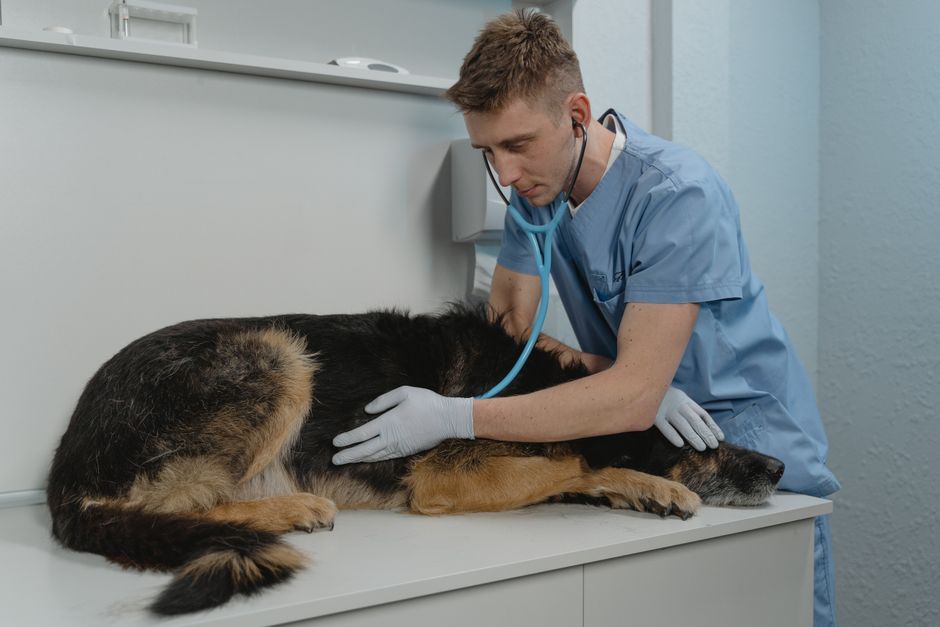
When you bring your dog to Express Vets Kennesaw for digestive issues such as appetite loss and diarrhea, our veterinary professionals will begin with a thorough exam and a detailed history to identify potential causes. Diagnostic tools play a crucial role in pinpointing the source of the problem. Our diagnostic laboratory services allow us to perform tests on blood, stool, and urine samples to check for infections, parasites, organ function, and other underlying health issues. In many cases, your dog may also benefit from sick visit services, where we can assess other symptoms, monitor hydration status, and recommend appropriate treatments.
Treatment approaches depend on the underlying cause. For mild cases due to dietary indiscretion, your veterinarian may recommend a temporary bland diet and supportive care to allow the digestive tract to recover. If parasites or infections are found, targeted medications will be prescribed to eliminate the cause. Chronic or severe cases may require further diagnostics, prescription diets, or ongoing management plans to address issues like food allergies or chronic gastrointestinal disease. In all situations, we prioritize your dog’s comfort and safety, ensuring they receive the care they need to recover as quickly as possible.
Home Care for Your Dog: Supporting Recovery from Diarrhea and Appetite Loss
While professional veterinary guidance is essential for severe or persistent symptoms, there are practical steps you can take at home if your dog’s symptoms are mild and they otherwise seem bright and alert. Withhold food for a short period, usually 12 to 24 hours, to allow the digestive system to rest, but always offer plenty of fresh water to prevent dehydration. After this, slowly reintroduce a bland, easily digestible diet such as boiled chicken and rice in small amounts. Watch for continued vomiting, worsening diarrhea, or signs of dehydration such as sunken eyes, dry gums, or lethargy.
If your veterinarian has recommended a specialized nutrition plan, following their directions is key. Our team offers specialty diet guidance for dogs with sensitive stomachs, allergies, or chronic digestive concerns. Avoid giving any human medications, over-the-counter remedies, or supplements unless specifically directed by your veterinarian, as these can sometimes do more harm than good. Monitor your dog closely for changes, and keep a record of symptoms, stool consistency, and food intake to share with your veterinary team if you need to schedule a follow-up.
Preventing Digestive Upset: Keeping Your Dog Healthy at Home
Prevention is always easier than treatment when it comes to digestive issues in dogs. The foundation of prevention starts with feeding a consistent, high-quality diet and avoiding sudden changes in food. Keep trash cans and household chemicals out of your dog’s reach, and be cautious about sharing table scraps or unfamiliar treats. Regular parasite prevention is essential, particularly in areas like Kennesaw and surrounding communities where dogs may be exposed to worms or protozoal parasites in the environment. Our parasite prevention and control services can help you choose the best protection for your dog’s lifestyle and risk factors.
Vaccinating your dog against common infectious diseases, maintaining routine wellness exams, and addressing health concerns early all contribute to a healthier digestive system. Reduce stress by keeping your dog’s daily routine consistent and providing plenty of exercise and mental stimulation. If your dog has a history of food allergies or sensitivities, work closely with your veterinarian to identify and manage triggers.
When Should You Schedule a Veterinary Visit?
Some cases of diarrhea and appetite loss may resolve with simple home care, but certain warning signs indicate that it’s time to seek professional help. Contact our team if your dog not eating and has diarrhea persists for more than 24 hours, if there is blood in the stool or vomit, if your dog is vomiting repeatedly, or if you notice signs of dehydration like dry gums, sunken eyes, or weakness. Puppies, senior dogs, and those with chronic medical conditions are especially vulnerable to rapid dehydration and complications.
Other urgent signs include a swollen or painful abdomen, collapse, unresponsiveness, or suspected ingestion of toxins, foreign objects, or medications. Trust your instincts as a pet owner; if your dog seems unusually unwell or you are worried about their wellbeing, our veterinary team is here to provide support and answers. Scheduling a timely appointment often makes a significant difference in your dog’s prognosis and comfort.
Compassionate Care for Digestive Upset: Your Local Resource in Kennesaw
No one wants to see their dog uncomfortable, especially when appetite loss and diarrhea disrupt your daily routine and your dog’s happiness. At Express Vets Kennesaw, we know how important it is to have a dependable, knowledgeable veterinary team by your side. If you are searching for a "vet near me" because your dog not eating and has diarrhea, our team is ready to help you find answers and get your pet back to feeling their best.
Don’t wait if your dog’s symptoms are concerning or not improving. Schedule an appointment with our veterinarians at Express Vets Kennesaw, or give us a call at (678) 401-5579 for compassionate, expert guidance. We proudly serve Kennesaw and surrounding communities, offering everything from diagnostic laboratory services to sick visit care and personalized dietary support. Let us be your trusted partner in your dog’s health—because every dog deserves comfort, care, and a happy, healthy life.
Medical disclaimer: This article is for informational purposes only and is not a substitute for professional veterinary advice. If your dog is experiencing severe, persistent, or worsening symptoms, please contact our veterinary team directly for individualized guidance and care.


