

Dog Lethargy: Causes, Warning Signs, and When to Call the Vet
Dog Lethargy: Causes, Warning Signs, and When to Call the Vet
When your dog seems more tired or sluggish than usual, it’s natural to worry. Dog lethargy can be a subtle sign of many underlying health issues, ranging from mild to serious. At Express Vets Kennesaw, we understand how concerning it is to see changes in your dog’s energy levels. Our veterinary team is dedicated to helping pet owners in Kennesaw and surrounding communities recognize the signs of lethargy, understand what might be causing it, and know when it’s time to schedule an appointment for a professional evaluation. In this blog, we’ll explore the common causes of dog lethargy, what symptoms to watch for, and when your dog might need expert care at our 4200 Wade Green Rd. Suite 100, Kennesaw, GA 30144. Early attention can make all the difference in protecting your dog’s health and comfort.
Recognizing Dog Lethargy: What Should Pet Owners Watch For?
It’s not unusual for dogs to have quiet days, especially after a long walk, a day at doggie daycare, or playtime in the backyard. However, persistent or unexplained lethargy—when your dog is less active, less interested in play, or seems to sleep much more than usual—can signal an underlying health concern. Key symptoms include your dog refusing walks or playtime, struggling to get up from bed, a noticeable lack of enthusiasm for meals or treats, and excessive sleeping even during times they’d normally be active. Other changes to watch for are your dog appearing weak or having trouble standing, a lack of response to family members or favorite toys, and withdrawal from usual family activities.
Owners often notice their dog’s posture changes when they aren’t feeling well. A lethargic dog may lie in one spot for hours, resist going outside, or avoid interactions altogether. If your dog’s usual happy greeting at the door turns into a slow shuffle or a lackluster response, it’s worth paying attention. These changes can be subtle, so trust your instincts—no one knows your dog’s normal behavior better than you.
Common Causes of Dog Lethargy
Dog lethargy can arise from a wide variety of causes, some minor and others more serious. Understanding these potential reasons can help you decide when to seek veterinary care.
Mild causes of lethargy may include overexertion after vigorous activity, a recent vaccination, or mild digestive upset from eating something unusual. Dogs sometimes have “off” days just like people do, where they simply rest more than usual. However, persistent lethargy is often linked to more significant health conditions.
Infections are a frequent culprit. Illnesses such as kennel cough, parvovirus, leptospirosis, or even a urinary tract infection can all lead to decreased energy. Chronic medical conditions like heart disease, kidney disease, or diabetes often cause gradual lethargy that worsens over time. Pain from arthritis, dental issues, or injuries may also lead your dog to become less active. Additionally, heat exhaustion is a real risk during Georgia’s hot summers, making it important to monitor your dog’s activity and exposure to high temperatures.
Less commonly, dog lethargy may be a sign of more serious issues such as internal bleeding, toxins or poisons (like chocolate or certain plants), or cancer. If you notice lethargy combined with symptoms like vomiting, diarrhea, pale gums, difficulty breathing, or collapse, it’s important to seek veterinary care quickly.
How Our Veterinary Team Diagnoses and Treats Dog Lethargy
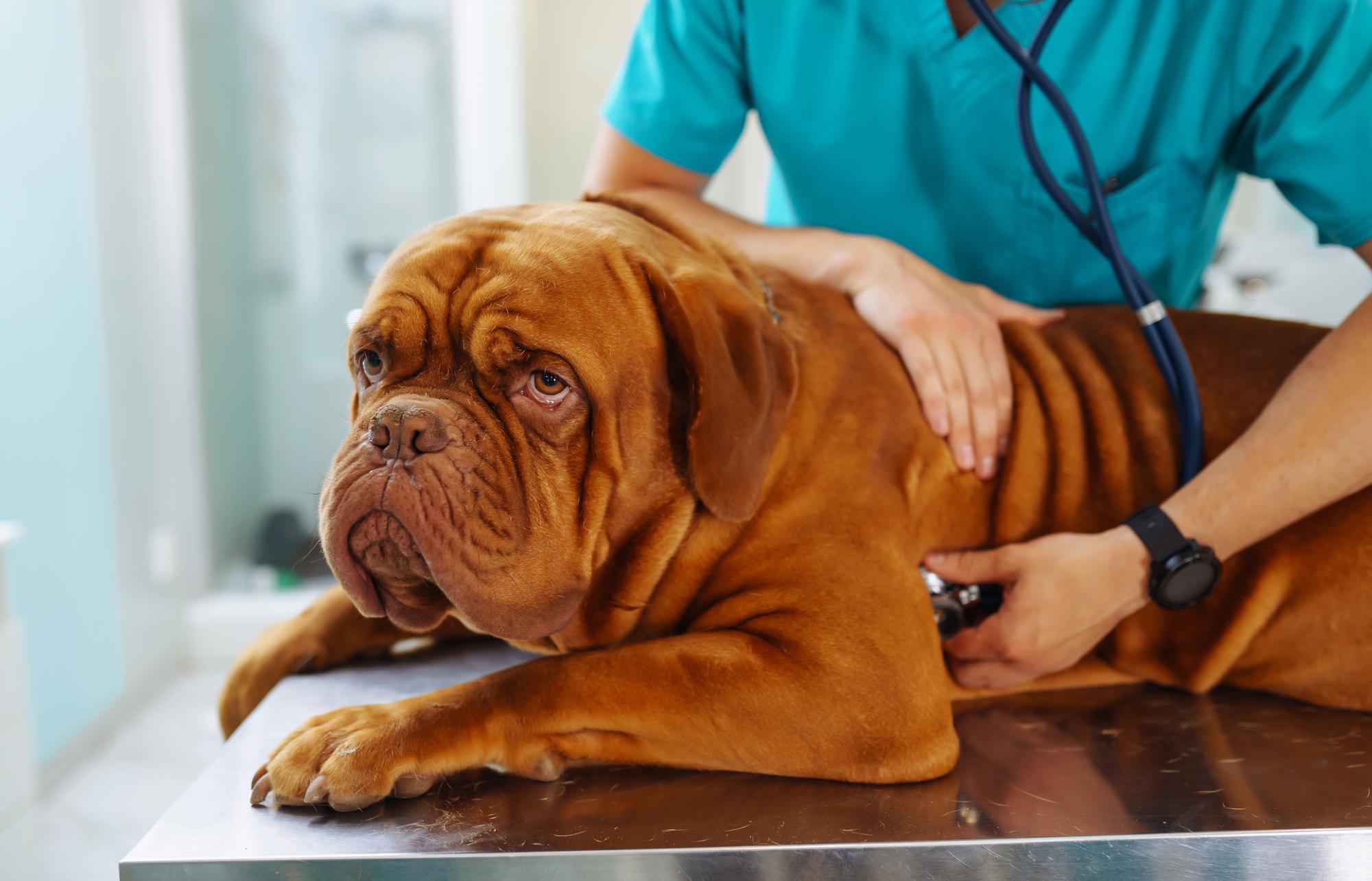
If your dog is showing persistent signs of lethargy, scheduling a veterinary evaluation is the best way to determine what’s going on. At Express Vets Kennesaw, our veterinarians begin by taking a detailed history, including when you first noticed changes, any additional symptoms, recent activities, and your dog’s diet and lifestyle.
A physical examination is the next step. Our team carefully checks your dog’s temperature, heart and respiratory rates, hydration status, and looks for signs of pain, swelling, or other abnormalities. Depending on what we find, we may recommend diagnostic testing such as bloodwork, urine analysis, or X-rays to uncover hidden problems. When infection or inflammation is suspected, further testing can help pinpoint the cause.
Treatment at our clinic is always tailored to your dog’s unique needs. If an infection is diagnosed, the approach may involve antibiotics or supportive care. Dogs with dehydration might receive fluids, while those with pain or arthritis benefit from appropriate pain relief and management strategies. In cases where a chronic illness is identified, our veterinarians work with you to develop a long-term care plan that supports your dog’s comfort and wellbeing.
If you’re concerned that your dog’s lethargy may be a sign of illness, our primary veterinary care services are designed to address a full range of health needs. For dogs who are feeling unwell, our sick pet visit services ensure your pet’s condition is evaluated promptly and thoroughly.
Home Care Tips and Preventive Steps for Dog Lethargy
While some causes of dog lethargy require professional treatment, there are steps you can take at home to support your dog’s health and help prevent problems. Make sure your dog has access to fresh water at all times, especially during hot weather. Feed a balanced diet that’s appropriate for their age, size, and activity level. Routine exercise is important, but be mindful not to overdo it, particularly in warm or humid conditions.
Keeping your dog up to date on vaccinations and parasite prevention helps ward off many illnesses that can cause lethargy. Regular wellness visits provide an opportunity for our veterinary team to catch subtle health changes early. If your dog seems tired after a day of extra activity, allow them time to rest and recover, but keep an eye out for any other concerning signs.
At home, monitor for additional symptoms such as vomiting, diarrhea, coughing, limping, or changes in appetite. If your dog’s energy doesn’t return to normal within a day or two, or if you notice other signs of illness, it’s time to consult your veterinarian.
When to Call the Vet: Knowing What’s Urgent
Some cases of dog lethargy can wait for a scheduled appointment, while others require immediate attention. You should contact your veterinarian promptly if lethargy is accompanied by symptoms such as persistent vomiting or diarrhea, difficulty breathing, weakness or collapse, pale or yellow gums, refusal to eat or drink for more than one day, or signs of pain like whimpering or limping. Sudden or severe lethargy—especially when combined with other serious symptoms—may signal a medical emergency.
For less urgent cases, if your dog’s low energy lasts more than 24 to 48 hours without improvement, or you notice gradual changes over time, schedule a visit for a thorough evaluation. Express Vets Kennesaw offers comprehensive pet exams and sick visits to help get to the bottom of your dog’s symptoms and start the right treatment as soon as possible.
Supporting Your Dog’s Health in Kennesaw and Beyond
Dog lethargy can be worrying, but you don’t have to face it alone. Express Vets Kennesaw is committed to helping pet owners in Kennesaw and surrounding communities protect their dogs’ health and happiness. If you notice changes in your dog’s energy or activity, our veterinary team is here to help you find answers and peace of mind.
If you’re searching for a “vet near me” who understands the needs of your dog and offers compassionate, thorough care, look no further than our trusted team. Scheduling an appointment is easy—call (678) 401-5579 or visit us at 4200 Wade Green Rd. Suite 100, Kennesaw, GA 30144. For more information about our primary veterinary care or to book a comprehensive pet exam, our friendly team is ready to support your dog’s wellbeing.
Never hesitate to reach out if you have concerns about dog lethargy. Early action can prevent minor issues from becoming major problems, helping your dog get back to their happy, energetic self as quickly as possible.


