

Dog Has Diarrhea? Causes, Home Care, and When to Call the Vet
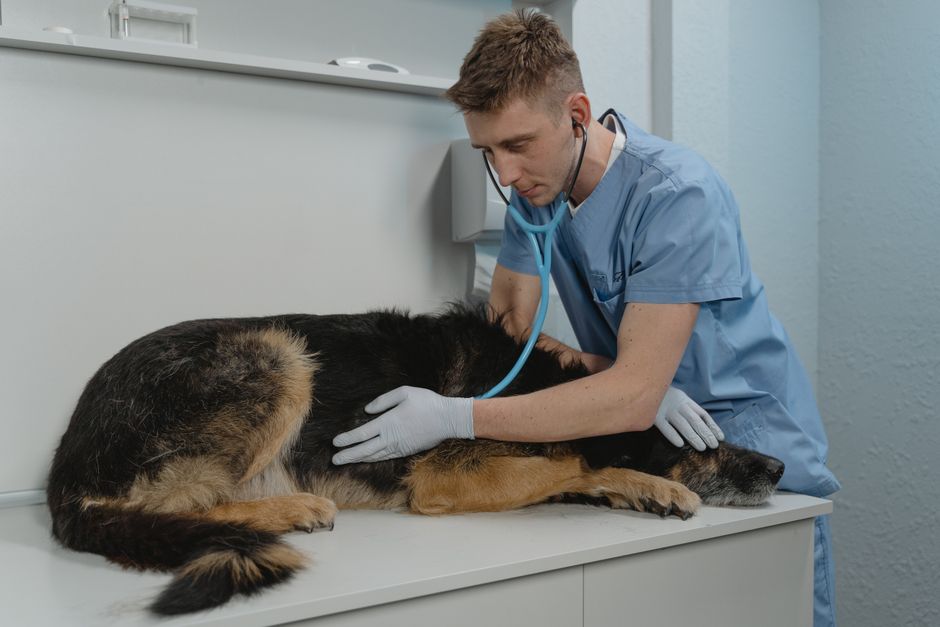
Dog Has Diarrhea? Causes, Home Care, and When to Call the Vet
If your dog has diarrhea, it can be unsettling for both you and your four-legged companion. Whether it’s a single loose stool or persistent digestive trouble, diarrhea is one of the most common reasons pet owners seek veterinary care. At Express Vets Kennesaw, located at 4200 Wade Green Rd. Suite 100, Kennesaw, GA 30144, our veterinary team understands how concerning it is to see your dog uncomfortable or unwell. This guide will help you understand why a dog has diarrhea, what you can do at home to help, and how to recognize when it’s time to schedule an appointment with your veterinarian.
In this article, we’ll discuss the most frequent causes of diarrhea in dogs, how to monitor and support your dog at home, steps to prevent future digestive issues, and when it’s critical to reach out for professional veterinary care. We’ll also highlight how our team at Express Vets Kennesaw supports pet owners in Kennesaw and surrounding communities through comprehensive sick visit services, wellness care, and diagnostic testing. If you’re facing this messy situation, you’re not alone—let’s walk through what you need to know to help your dog recover comfortably and safely.
Recognizing Diarrhea in Dogs: Signs and Symptoms
It’s important to know what to look for when your dog has diarrhea. Diarrhea is generally defined as frequent, loose, or watery stools. You might notice your dog urgently asking to go outside, having accidents in the house, or producing stools that are softer than usual. Sometimes, diarrhea may be accompanied by additional symptoms such as increased gas, straining, abdominal discomfort, or a change in appetite. In some cases, you might observe mucus or a small amount of blood mixed in with the stool.
The severity can range from a single episode to ongoing loose stools over several days. Mild cases may resolve on their own, but persistent or severe diarrhea often signals an underlying problem. Signs that your dog’s diarrhea could be more serious include repeated vomiting, lethargy, a significant decrease in appetite, loss of energy, or signs of dehydration such as dry gums and sunken eyes. If you observe black, tarry stool or a large amount of blood, this may indicate a more urgent issue.
Understanding your dog’s normal bathroom habits can help you spot changes early. If you’re unsure whether it’s time to worry, our veterinary team is always here to answer your questions and guide you on next steps.
Why Does My Dog Have Diarrhea? Common Causes
There are many reasons a dog has diarrhea, and identifying the cause is the first step toward helping your pet feel better. Dietary indiscretion is one of the most frequent culprits, meaning your dog ate something unusual, such as table scraps, garbage, or a new treat. Sudden changes in diet, including switching to a new food too quickly, can also upset your dog’s stomach.
Other common causes involve intestinal parasites such as roundworms, hookworms, or giardia, which are especially common in puppies or dogs that spend time outdoors. Infectious diseases, including viral or bacterial infections, can lead to digestive upset as well. Additionally, stress—such as boarding, travel, or changes in the household—can trigger diarrhea in some dogs.
Allergies or sensitivities to certain ingredients, chronic diseases affecting the liver, pancreas, or intestines, and reactions to medications are other possible factors. In rare cases, more serious illnesses, such as inflammatory bowel disease or even certain cancers, can be at the root of persistent diarrhea.
A thorough physical exam and appropriate diagnostic tests can help pinpoint the cause. If you’re concerned about underlying issues or your dog’s symptoms are not improving, your veterinarian may recommend diagnostic laboratory services to investigate further.
Home Care for Dogs with Diarrhea: What You Can Do
If your dog has mild diarrhea but is otherwise acting normal—eating, drinking, and playful—there are a few safe steps you can take at home. Begin by withholding food for about 12 hours, but always provide access to fresh, clean water. This short fasting period gives your dog’s digestive tract a chance to settle. Afterward, you can offer a bland diet such as plain boiled chicken and white rice in small, frequent meals. This gentle food is easy to digest and can help firm up stools.
Monitor your dog closely during this period. Watch for continued diarrhea, vomiting, signs of pain, or refusal to eat or drink. If your dog has a pre-existing health condition, is very young or old, or becomes lethargic or dehydrated, it’s best to contact your veterinarian right away rather than attempt home care.
Avoid giving over-the-counter medications or human remedies unless specifically directed by your veterinarian. Some products can be toxic or make the problem worse. If your dog’s diarrhea improves within 24-48 hours, you can gradually transition back to their regular food over several days. For dogs with recurring digestive troubles, your veterinarian may recommend a specialty diet to support long-term gut health.
When to Call the Vet: Signs That Need Prompt Attention
While some cases of diarrhea may resolve quickly, certain warning signs mean it’s time to schedule an appointment. Contact your veterinarian if your dog’s diarrhea lasts more than 24-48 hours, or if additional symptoms develop. Warning signs include persistent vomiting, refusal to eat or drink, listlessness, visible blood in the stool, black or tarry stools, or signs of dehydration such as dry gums and sunken eyes.
Puppies, senior dogs, and pets with chronic health conditions are at a higher risk for complications and should be evaluated promptly if diarrhea develops. Severe or rapidly worsening symptoms, or diarrhea accompanied by abdominal pain, indicate the need for immediate veterinary care. In Kennesaw and surrounding communities, our team at Express Vets Kennesaw provides timely sick visit services to help your dog get back on track as quickly as possible.
Bringing a fresh stool sample to your appointment can help your veterinarian assess for parasites or other underlying causes. Our veterinary team may recommend a wellness examination if your dog has ongoing digestive issues or needs a thorough check-up.
Preventing Diarrhea: Tips for a Healthy Dog
Preventing diarrhea starts with maintaining a consistent, high-quality diet and avoiding sudden changes in food. Always introduce new foods gradually over one to two weeks. Make sure your dog cannot access garbage, table scraps, or unfamiliar objects, as these are common sources of digestive upset. Keep up with regular deworming and parasite prevention, especially if your dog spends time outdoors, visits dog parks, or interacts with other animals.
Annual wellness exams and routine fecal testing can help identify issues before they become a problem. For dogs with known food sensitivities or allergies, your veterinarian may suggest a tailored specialty diet to minimize flare-ups. Stress reduction strategies, such as maintaining a predictable routine and providing a calm environment during changes, can also help sensitive dogs avoid digestive disturbances.
By following these steps, you’ll reduce the risk of future episodes and keep your dog’s digestive system healthy year-round.
Express Vets Kennesaw: Your Partner in Digestive Health
At Express Vets Kennesaw, we know how stressful it is when your dog has diarrhea. Our compassionate veterinary team is dedicated to supporting your pet’s health, comfort, and recovery from digestive issues. Whether your dog needs a simple exam, diagnostic testing, or a tailored treatment plan, we are here to guide you every step of the way.
If your dog has diarrhea that isn’t improving or you notice any concerning symptoms, don’t wait to seek help. Schedule an appointment with our knowledgeable team by calling (678) 401-5579 or visiting us at 4200 Wade Green Rd. Suite 100, Kennesaw, GA 30144. When searching for a vet near me, trust our local experience and commitment to your dog’s well-being. Learn more about our sick visit services or request a wellness examination to keep your pet healthy, happy, and thriving in the Kennesaw community.
Remember, while mild diarrhea may resolve with home care, ongoing or severe symptoms require veterinary attention. Our team is here to help you navigate digestive health challenges and ensure your dog receives the best possible care. If your dog has diarrhea, reach out to Express Vets Kennesaw for guidance, answers, and reliable veterinary support.
This article is intended for informational purposes only and does not replace professional veterinary advice. Always consult your veterinarian for diagnosis and treatment of your pet’s health conditions.


