

Dog Acting Lethargic? Causes and When to Call Your Vet
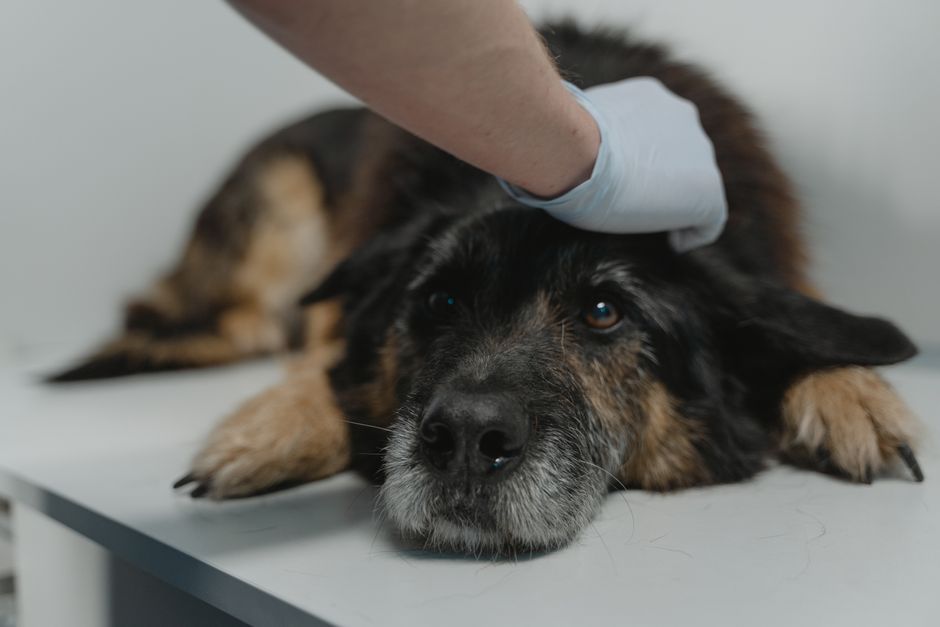
Dog Acting Lethargic? Causes and When to Call Your Vet
Is your dog acting lethargic, sleeping more than usual, or just not themselves lately? As a devoted pet owner, noticing your usually energetic dog become quiet and tired can be worrying. At Express Vets Kennesaw, our team understands how unsettling it can be when your dog’s behavior suddenly changes. Whether you live in Kennesaw or one of the surrounding communities, you want answers and reassurance—especially during Georgia’s hot August days when heat can add extra stress for pets. This blog will help you recognize signs of true lethargy in dogs, explore common causes, cover when home care is appropriate, and explain when it’s urgent to schedule an appointment with your local veterinarian. If your dog is acting lethargic, understanding what’s normal and what’s not is the first step in getting them back to their happy, tail-wagging selves. We’ll also share how our primary veterinary care services at Express Vets Kennesaw can support your dog’s health year-round.
Recognizing Lethargy in Dogs: When Should You Worry?
All dogs have their lazy days, especially after a long walk, an exciting play session, or on a sweltering summer afternoon. However, true lethargy is more than just being a little tired. It is a persistent lack of energy or enthusiasm that doesn't resolve with rest. When your dog is acting lethargic, the symptoms often include sleeping much more than usual, showing little interest in food or play, and seeming unwilling to interact with family members. You may also notice that your dog has trouble getting up, appears weak, or seems less responsive to their environment.
It’s important to differentiate between simple fatigue and true lethargy. For example, a dog that played hard at the park may sleep longer that evening, but should be back to their normal self the next day. On the other hand, if your dog is listless, uninterested in treats, or not reacting to favorite toys for more than 24 hours, it’s time to pay closer attention. Additional warning signs that may accompany lethargy include vomiting, diarrhea, trouble breathing, pale gums, or a sudden collapse. These symptoms suggest a more serious health issue and require prompt veterinary attention.
Why Is My Dog Acting Lethargic? Common Causes to Consider
Lethargy in dogs can stem from a wide range of causes, from minor and self-limiting to serious and potentially life-threatening. Understanding the underlying reasons can help you decide what steps to take next.
Heat and Dehydration in Georgia Summers
During August in Georgia, the heat and humidity can cause even healthy dogs to slow down. Overheating and dehydration are common reasons for a dog acting lethargic. Mild cases may resolve with rest, shade, and access to cool water, but severe heatstroke is a true emergency. Signs of heatstroke include excessive panting, drooling, vomiting, and collapse, and require immediate veterinary intervention.
Infections and Illnesses
Many infections can cause lethargy, including kennel cough, tick-borne diseases, parvovirus (especially in puppies), and urinary tract infections. Dogs with a fever, cough, nasal discharge, or loss of appetite in addition to lethargy may be fighting an underlying infection. These illnesses often require medical treatment and are best addressed with a sick visit at your local veterinary clinic.
Pain and Injuries
Dogs experiencing pain—whether from an obvious injury, arthritis, dental problems, or internal issues—often become withdrawn and less active. Limping, reluctance to move, or sensitivity when touched can accompany lethargy in these cases. Even if you don’t see an external wound, internal pain can be just as serious.
Chronic Conditions and Internal Problems
Underlying medical problems like heart disease, diabetes, liver or kidney disease, and some cancers can present as lethargy. Dogs with chronic conditions may show gradual onset of symptoms, such as increased drinking and urination, weight loss, or changes in appetite. Sometimes, lethargy is the first—and only—sign that something is wrong.
Toxins, Allergies, and Parasites
Ingesting harmful substances, exposure to household chemicals, or eating toxic plants can quickly lead to a dog acting lethargic. Parasite infestations, such as severe flea or tick infestations, can also sap your dog’s energy. Allergic reactions, particularly if accompanied by swelling or difficulty breathing, can cause sudden lethargy and should be treated as emergencies.
Behavioral and Emotional Causes
While less common, stress, anxiety, or depression—such as after a move or the loss of a family member—can cause lethargy in dogs. However, it’s always important to rule out physical causes first before attributing behavior changes solely to emotions.
How Vets Diagnose and Treat Lethargy in Dogs
When your dog is acting lethargic and you bring them for a veterinary evaluation, the process begins with a thorough history and physical examination. Our veterinarians at Express Vets Kennesaw will ask about recent changes in your dog’s behavior, appetite, and environment. They will also check vital signs, examine your dog from nose to tail, and look for any signs of pain or distress.
Depending on the findings, diagnostic testing may include bloodwork, urinalysis, x-rays, or parasite screening to identify underlying issues. For example, blood tests can reveal infections, organ dysfunction, or anemia, while imaging can spot injuries or tumors. Once a diagnosis is made, treatment is tailored to the specific cause. Options may involve medications for infections, pain management, intravenous fluids for dehydration, or more advanced therapies for chronic conditions.
For less severe cases—such as mild dehydration or minor digestive upset—your dog may recover with supportive care and close monitoring at home. However, if your dog’s lethargy is due to a serious illness or injury, prompt veterinary intervention greatly improves their chances of recovery. Our sick pet visit services are designed to address these concerns quickly and compassionately.
Home Care and Prevention: Keeping Your Dog Energetic and Healthy
Supporting your dog’s overall health can help prevent lethargy and ensure a speedy recovery if they do become ill. Key steps include providing constant access to fresh water, especially during hot weather, and ensuring your dog has a cool, shaded place to rest during Georgia’s summer months. Regular exercise, balanced nutrition, and keeping up with preventive care—such as vaccination services and parasite prevention—are also crucial.
Daily routines matter, so pay attention to your dog’s normal habits and energy levels. If you notice subtle changes, such as skipping meals or sleeping more, keep a journal to track symptoms. This information can be invaluable for your veterinarian if a visit becomes necessary. Avoid giving over-the-counter medications or home remedies unless directed by a veterinary professional, as some substances can be toxic to dogs.
When caring for a dog recovering from illness, encourage rest, offer favorite foods to stimulate appetite, and limit strenuous activity until your veterinarian gives the all-clear. For chronic conditions, follow your veterinarian’s instructions carefully and schedule regular checkups to monitor your dog’s progress.
When to Call the Vet for a Dog Acting Lethargic
Knowing when to seek veterinary care can make all the difference for your dog’s health. You should schedule an appointment at Express Vets Kennesaw if your dog’s lethargy lasts longer than 24 hours, is accompanied by vomiting, diarrhea, coughing, or trouble breathing, or if your dog refuses to eat or drink for more than a day. Sudden collapse, pale gums, or difficulty walking are emergency warning signs that require immediate attention.
While some causes of lethargy in dogs are mild and resolve with rest, others can progress quickly without treatment. Trust your instincts—if your dog is acting unusually tired and you’re concerned, it is always better to err on the side of caution. Our comprehensive pet exams help catch health issues early and give you peace of mind.
Why Choose Express Vets Kennesaw for Your Dog’s Care?
At Express Vets Kennesaw, we are committed to partnering with you to keep your dog healthy, active, and happy. Our veterinary team offers a full range of services, including wellness exams, diagnostics, sick visits, and preventive care, all from our convenient Kennesaw location. We understand how stressful it can be when your dog is acting lethargic, and our knowledgeable veterinarians are here to help you every step of the way.
If you have concerns about your dog’s energy level or overall health, do not wait. Schedule an appointment by calling (678) 401-5579 or visiting us at Express Vets Kennesaw. When searching for a veterinarian near me, you want a team that treats your dog like family and provides the expert care they deserve. Let us help you get your dog back to their bright, energetic self—contact us today to get started or learn more about our primary veterinary care services.
This blog is intended for informational purposes only and should not replace individualized veterinary advice. If your dog is showing severe or sudden symptoms, seek immediate veterinary attention.


